
UK GDP and US jobs move markets; today’s US CPI decisive for rates
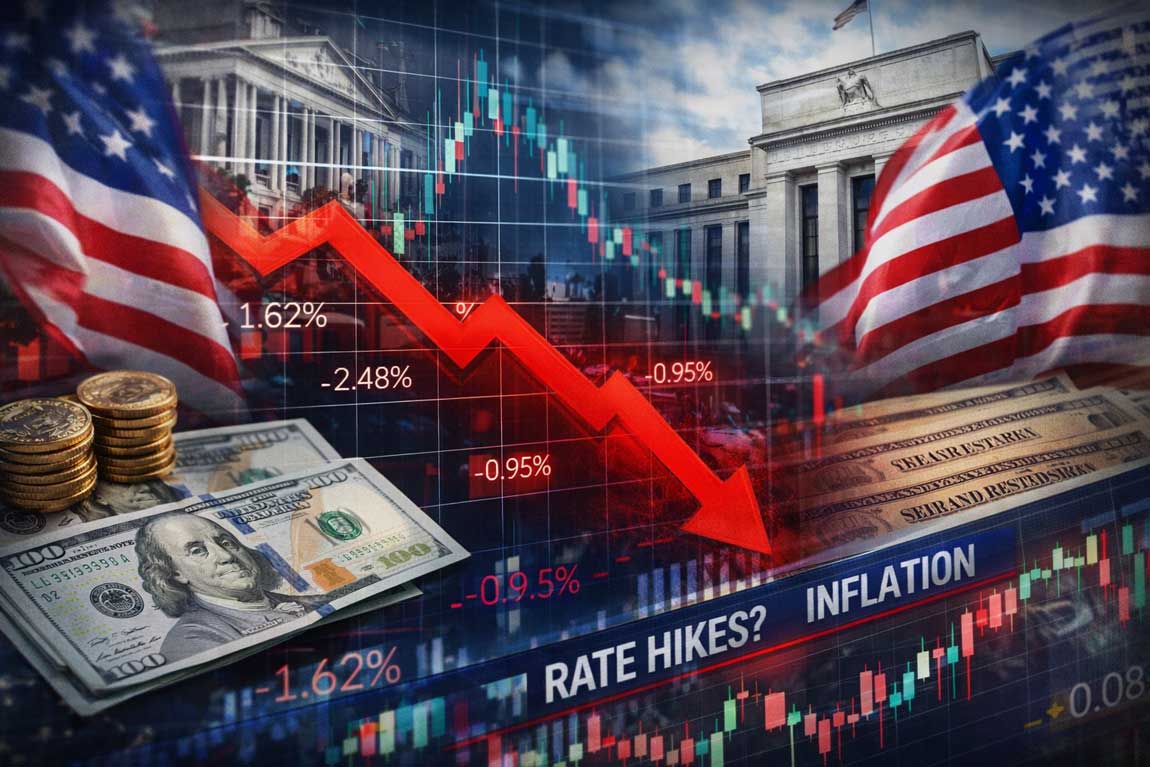
Markets fall amid macro data and Fed expectations
UK GDP and US jobs move markets; today’s US CPI decisive for rates
The past 48 hours have brought volatility back to the forefront of financial markets. New macroeconomic data released in the United Kingdom and the United States have triggered cross-asset moves in bonds, currencies and equities, while today attention shifts to US inflation — the real turning point for the Federal Reserve’s next steps.
United Kingdom: weak growth and fragile industry
In the UK, GDP and industrial production data showed weaker-than-expected momentum. Quarterly growth remained modest, while industrial output posted a monthly contraction, reflecting subdued domestic and external demand.
The immediate effects were:
Markets interpret the combination of weak growth and inflation still above target as a complex environment for the Bank of England, which could be forced to cut rates within a mild stagflation scenario.
United States: resilient labour market, yields under pressure
In the United States, employment data confirmed a still-solid labour market. Non-Farm Payrolls exceeded expectations, while the unemployment rate remained at relatively low levels.
This produced immediate effects:
Markets are now focused on today’s US CPI release: a reading above expectations would reinforce the view of a still-cautious Federal Reserve on rate cuts, while a clear slowdown in inflation would reopen the scenario of monetary easing as early as the second quarter.
US and European equities: two days of broad selling
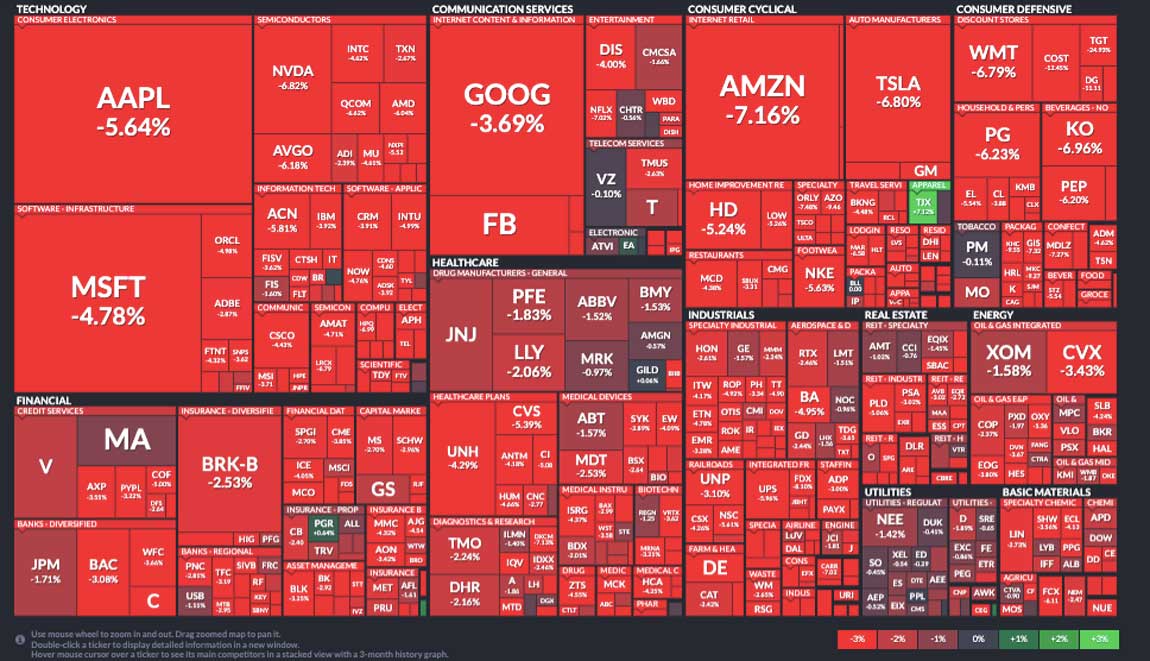
Over the past two days, markets have experienced a broad-based correction:
Why are markets correcting?
In Europe, the dynamic is similar: the combination of fragile growth (including the UK) and higher global yields weighs on utilities, real estate and financials.
US CPI: today’s true market mover
The US inflation reading represents the balance point between two competing narratives:
In this environment, financial markets are in a phase of “dynamic pricing”: every macro surprise can rapidly shift rate expectations, with immediate effects on equities, currencies and bond markets.
The prevailing sentiment suggests that the early-year euphoria is giving way to greater selectivity, with macroeconomics once again playing a decisive role in global asset allocation decisions.

© 4FT Invest LTD. All rights reserved
