
The term CFD stands for "Contracts for Difference," and refers to derivative financial instruments that allow you to speculate on price movements.
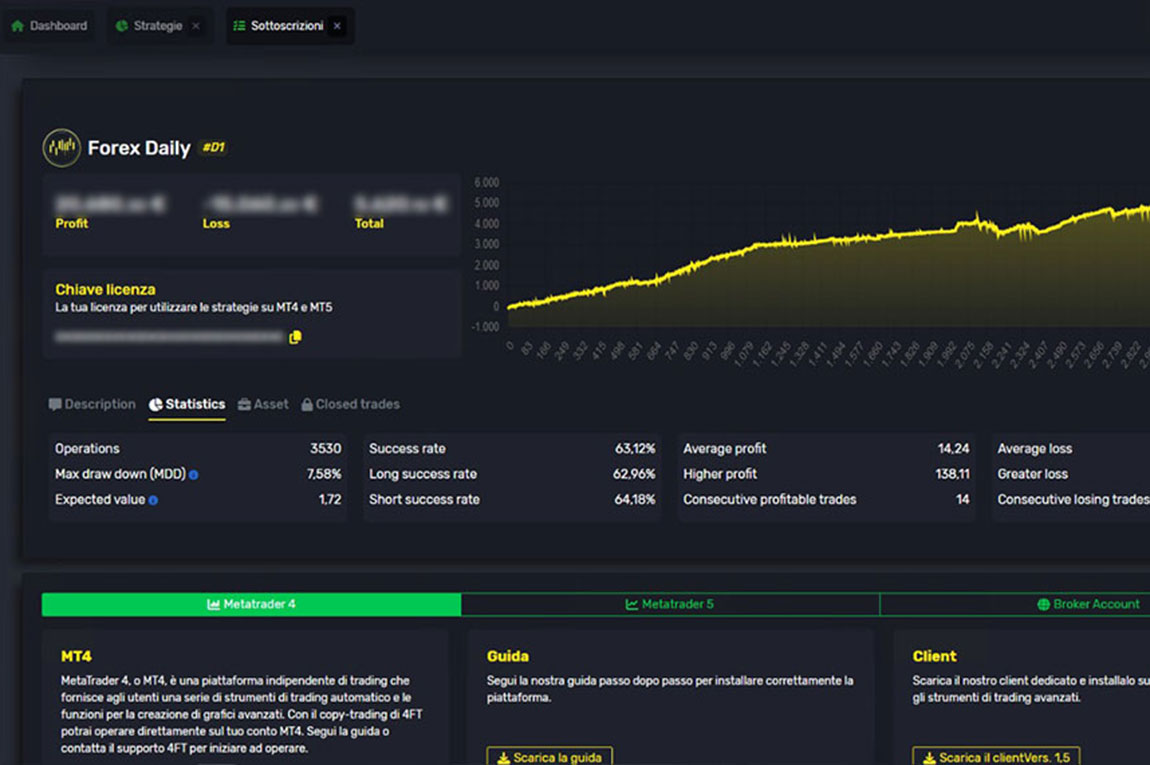
Investing in CFDs in 2025
The world of investing is constantly evolving, and in recent years, Contracts for Difference (CFDs) have become one of the most popular tools for those looking to trade. With 2025 upon us, it’s the perfect time to explore this opportunity. If you’re a young investor just getting started, this article will guide you step by step on what it means to "invest in CFDs" and how to do it responsibly.
To begin with, it’s important to understand what CFDs are. CFD stands for Contract for Difference, and these are derivative financial instruments that allow you to speculate on price movements of various assets—such as stocks, commodities, indices, currencies, and cryptocurrencies—without actually owning the underlying assets.
In other words, when you invest in CFDs, you're not buying a stock or currency directly. You're entering into an agreement with a broker to exchange the difference in price between the opening and closing of a position.
In 2025, CFDs are more accessible than ever. Online trading platforms have become increasingly advanced, with mobile apps and sophisticated tools that allow even beginners to trade easily. Additionally, CFDs offer a number of advantages that make them highly appealing—especially for young investors:
Access to Global Markets: With CFDs, you can trade a wide range of global markets without needing to open separate accounts for each one. You can invest in stocks, currencies, cryptocurrencies, precious metals, and more—all from a single platform.
Leverage: One of the most attractive features of CFDs is leverage. It allows you to control a larger position than your initial investment, thereby amplifying potential gains (but also potential losses). For example, using 10:1 leverage lets you trade with 10 times your deposit.
Trade Rising and Falling Markets: CFDs allow you to speculate on both rising and falling markets. If you think an asset will increase in value, you go long (buy); if you think it will decrease, you go short (sell).
Low Entry Barriers: Unlike traditional investments, CFDs don’t require a large capital outlay. With a sound strategy, you can start trading even with a small amount of money.
To better explain how CFD trading works, here’s a practical example. Let’s say you want to invest in the stock of a tech company and believe its price will go up next month. Here’s how the process would look:
Choose a Trading Platform: First, you’ll need to sign up with a trading platform that offers CFD trading.
Open a Trade: Once your account is set up, choose the asset you want to trade. In this case, you select a tech company’s stock. The broker will display the current market price.
Select Your Leverage and Trade Size: Decide how much capital you want to invest, and whether to use leverage. If you choose 5:1 leverage, you can open a €500 position with just €100 of your own capital.
Monitor Performance: If the stock price rises, your position gains value, allowing you to profit. If the price falls, your position loses value, and you may incur losses.
Close the Position: When you’ve achieved a desired profit—or want to limit your losses—you close the position. The difference between the opening and closing price will determine your gain or loss.

Advantages:
Flexibility: CFDs offer great flexibility. You can enter and exit the market quickly and choose from a wide range of tradable assets.
Diversification: With CFDs, you can diversify your portfolio by investing in various financial instruments.
Low costs: Unlike traditional investments, CFDs don’t require expensive intermediaries or management fees.
Risks:
Amplified potential losses: Leverage can increase gains, but also magnifies losses. If the market moves against you, you could lose a significant portion of your capital.
Volatility: CFDs are highly sensitive to market volatility. Sudden price movements can lead to rapid losses.
Complexity: While CFDs are relatively easy to understand, they still require solid knowledge of financial markets and trading strategies.
Now that you understand the basics, here’s how to get started with CFD investing:
1. Education and Research:
First and foremost, inform yourself. Read articles, watch video tutorials, and—if possible—attend webinars. Education will help you better understand the risks and opportunities of CFD trading.
2. Choose a Reliable Broker:
Choosing the right broker is crucial. Make sure the broker is regulated by a recognized financial authority (such as the FCA in the UK or Consob in Italy). Also check user reviews and verify that the platform offers beginner-friendly tools.
3. Start with a Demo Account:
Many brokers offer demo accounts, allowing you to practice with virtual money before risking real capital. This gives you the chance to test your strategies without financial risk.
4. Risk Management:
One of the most important rules in CFD trading is risk management. Always use stop-loss orders to limit losses and never risk more than you’re willing to lose. A good investor knows that you can’t win every time, and risk management is key to protecting your capital.
5. Start Small:
Don’t be too aggressive in the beginning. Start with small amounts of money and gradually increase your investment as you gain experience and confidence in your approach.
In 2025, several trends in the CFD market may influence investors:
Increased Regulation:
Governments and financial authorities continue to work on tightening CFD regulations—especially to protect inexperienced investors. These regulations may bring greater security and transparency for traders.
Technology Adoption:
With technological innovation, CFDs are becoming even more accessible and user-friendly—thanks to AI-powered analysis, advanced tools, and increasingly efficient mobile platforms.
Sustainability:
Investing in sustainable or environmentally focused assets is a growing trend. Some brokers may start offering CFDs on stocks and funds related to green initiatives.
Investing in CFDs in 2025 is an attractive option for those seeking a flexible and accessible way to trade. However, like any form of investing, it comes with risks—especially if not managed carefully. With proper education, cautious risk management, and tools like demo accounts, even beginners can start trading CFDs safely.
If you're looking to enter the world of investing, CFDs can be a great starting point—but always remember to educate yourself and never risk more than you can afford to lose.

© 4FT Invest LTD. All rights reserved
