
August 1, 2025 marks a pivotal date for the global economy: tariffs and PMI index updates.**
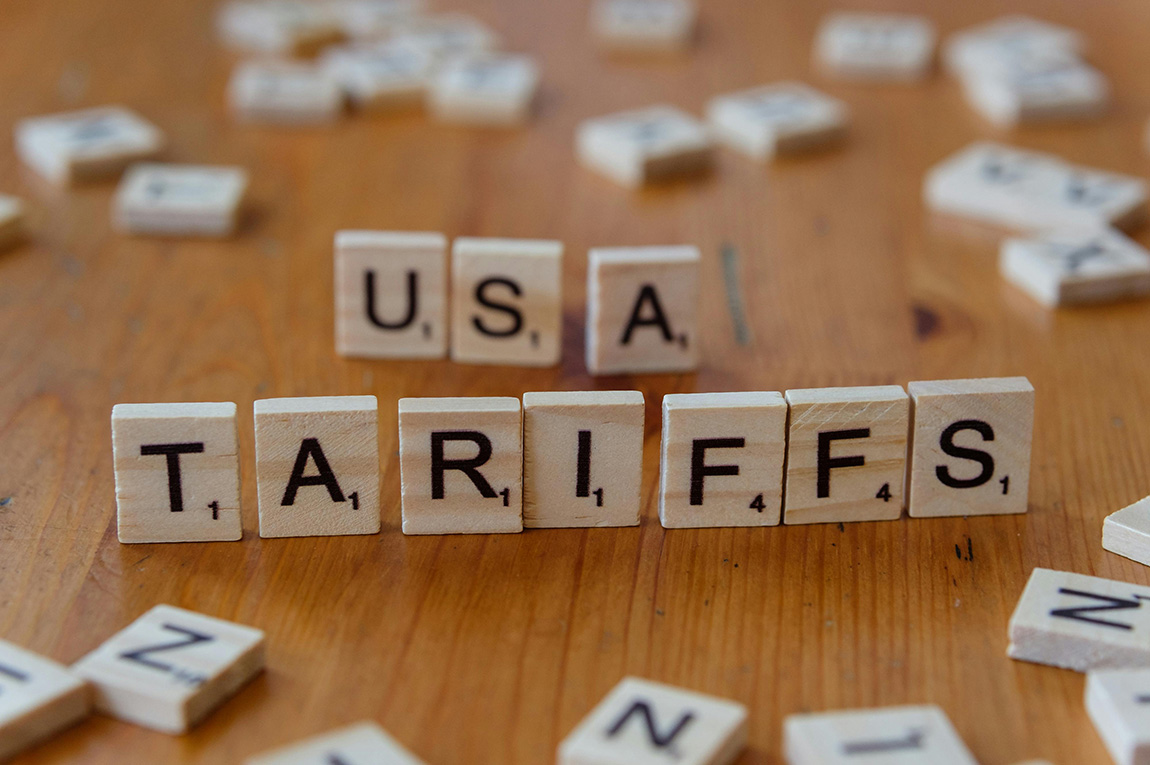
PMI and US-EU Tariffs: What to Expect from the Data
August 1, 2025 marks a crucial date for the global economy.
In addition to the release of updated manufacturing and services PMI data from major economies—including the United States and the European Union—this day also marks the expiration of former President Donald Trump’s ultimatum regarding the imposition of 30% tariffs on all goods imported from the EU. In an already fragile and interconnected global context, these two events could trigger significant movements in commodity markets, including gold, oil, and industrial metals.
What Is the PMI and Why Does It Matter?
The PMI (Purchasing Managers’ Index) is an economic indicator based on surveys of purchasing managers in the manufacturing and services sectors. It is one of the most closely watched leading indicators by investors and policymakers, as it signals upcoming changes in economic activity.
A PMI above 50 indicates expansion.
A PMI below 50 indicates contraction.
The PMI data from the US and EU reflect the health of their productive systems and internal/external demand, directly influencing risk perception and, consequently, the performance of financial and commodity markets.
How PMI Affects Major Commodities
Gold
In times of weak PMI readings and geopolitical uncertainty (such as tariff threats), gold tends to rise due to its role as a safe-haven asset.
Conversely, when PMIs are strong and the trade climate is more relaxed, gold prices may decline in favor of riskier assets.
Oil (WTI and Brent)
Strong PMI data suggests increased energy demand, which tends to push oil prices higher.
Weak PMI figures, combined with trade tensions, can point to a global slowdown, leading to reduced demand and lower prices.
Industrial Metals (Copper, Nickel, Zinc)
Closely tied to manufacturing activity. Robust PMI numbers signal rising production and thus greater demand for metals.
On the other hand, a PMI below 50 may trigger sell-offs in industrial metals due to expectations of reduced industrial consumption.
The Tariff Issue: Trump's Ultimatum to the EU
The Tariff Issue: Trump’s Ultimatum to the EU
Today also marked the expiration of the Trump administration’s ultimatum, which confirmed a (temporary) 15% tariff on all European goods starting August 7, 2025—though without providing any concrete details on a broader trade agreement.
PMI: Current Figures (Flash Estimates – July 2025)
United States
Manufacturing PMI (ISM): 48, continuing to decline after last month’s contraction (49.5).
Eurozone
Manufacturing PMI: 49.8, unchanged from the previous month and above expectations, but still below the 50 threshold.
With both U.S. and EU PMI data showing a clear downward trend, and despite a trade agreement between the two sides of the Atlantic (still clouded by many uncertainties), markets may react negatively in the short term.
Market expectations:
Gold surging sharply
Oil falling due to global recession fears and declining energy demand
Industrial metals dropping amid prospects of weakening industrial demand
Macroeconomic consequences:
Declining investor confidence in equity markets
Less room for central banks to maintain expansionary policies without recession fears, also in light of the latest U.S. employment data
Elevated inflation risk
The intersection between PMI figures and the outcome of U.S.-EU trade tensions could represent a turning point for the second half of 2025. Investors should pay close attention not only to the numbers themselves, but also to the tone of official statements and the immediate reaction of commodity markets, which serve as a sensitive thermometer of the global economy.
© 4FT Invest LTD. All rights reserved
