Tariffs, trade war and selloff: what’s happening?

Friday 10/10 global slump on threat of US tariffs: between trade war, rare earths and tech—rebound or further declines?

Stocks 11/10/2025 4FT News
tariffs-trump-xi-rareearth-tradewar

Tariffs, trade war and selloff: what’s happening?

Friday 10/10 global slump on threat of US tariffs: between trade war, rare earths and tech—rebound or further declines?

What happened on Friday, 10 October

On Friday global indices suffered their worst session since the April selloff: in the US, the S&P 500 closed at −2.7% (−182.6 pts), the Nasdaq at −3.6% and the Dow at −1.9%. It was among the 20 worst “point” declines ever for the S&P 500, and the worst since 4 April 2025. The trigger: the US President’s announcement of 100% tariffs on imports from China and new export restrictions on “critical” software, reigniting the trade war narrative.
The technology sector led the selling, with mega-caps wiping out hundreds of billions in market cap; pressure also extended to crypto and cyclicals sensitive to the global supply chain.

The role of “rare earths”
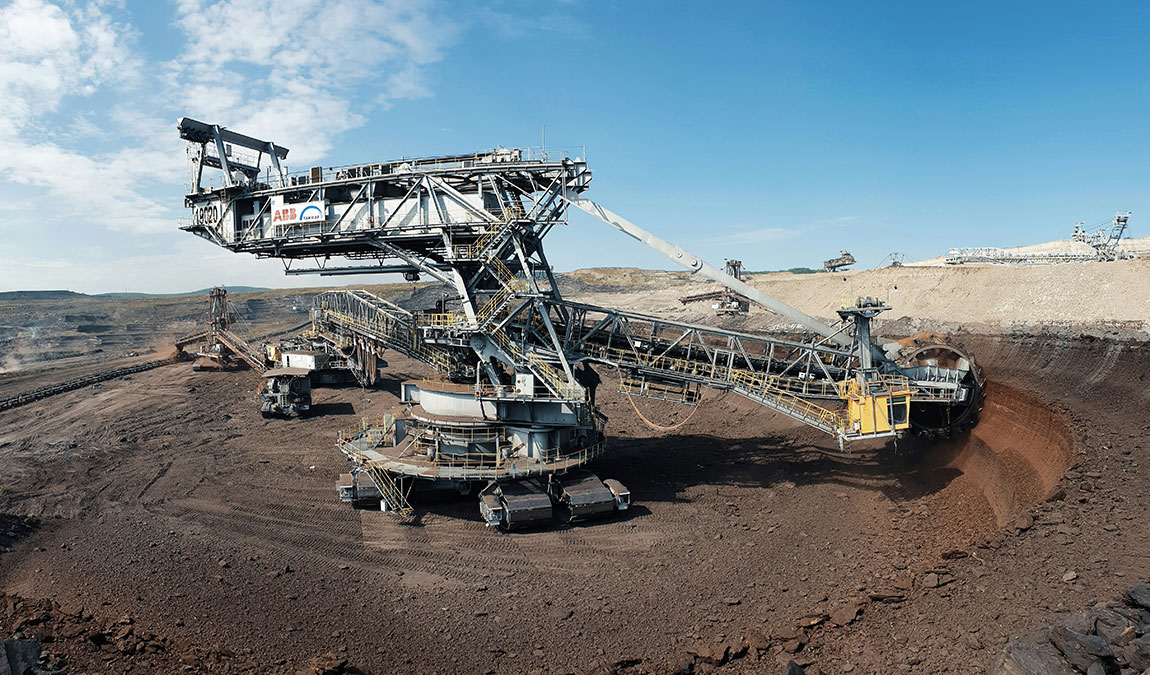
rareearths-tariff-tradewar-china-usa

Beijing defended export controls on rare earths, key materials for high tech and defense, accusing Washington of tariff escalation; at the same time it left room for negotiation, which tempered immediate retaliatory responses. The risk of supply bottlenecks remains a driver of volatility for semiconductors, electric vehicles and renewables.

The April precedent (“Liberation Day”) and the parallels

At the beginning of April 2025, the announcement of across-the-board duties (“Liberation Day”) triggered two days of heavy capitulation and marked the worst daily drop of the year (−5.97% on 4 April), with a domino effect on Europe and Asia. The pattern is similar: policy shock → higher uncertainty → multiple compression for growth/AI names with value chains exposed to China.

What’s different today versus April?

  • Valuations and concentration: in early October, indices were coming off new highs; leadership remains concentrated in tech/AI mega-caps, amplifying sensitivity to political shocks.
  • Signs of negotiation: China’s response, for now, is more measured than in April, leaving room for tactical de-escalation.

What to expect next week: rebound or further decline?

Let’s cross-reference the size of the drop with historical base rates:

  • Directional base rate: over short horizons the S&P 500 posts positive days slightly more than half the time (≈52%); statistically, after large declines the 5–10 day average tends to be mildly positive but with wide dispersion. Translation: a rebound is “slightly more likely than not,” but not guaranteed.
  • Headline-risk factor: the outcome depends on US/China moves on tariffs/trade war and how the rare earths dossier evolves; a more conciliatory tone could trigger rapid short-covering, while new measures (or blacklists) would revive “sell-the-rip” dynamics.
  • Technical/quantitative: heavy overweight in AI mega-caps and leverage in passive/derivative vehicles raises the risk of pro-cyclical flows on down days (CTA/vol-target). In rising-volatility regimes, declines tend to cluster.

Scenario estimate (qualitative, non-binding):
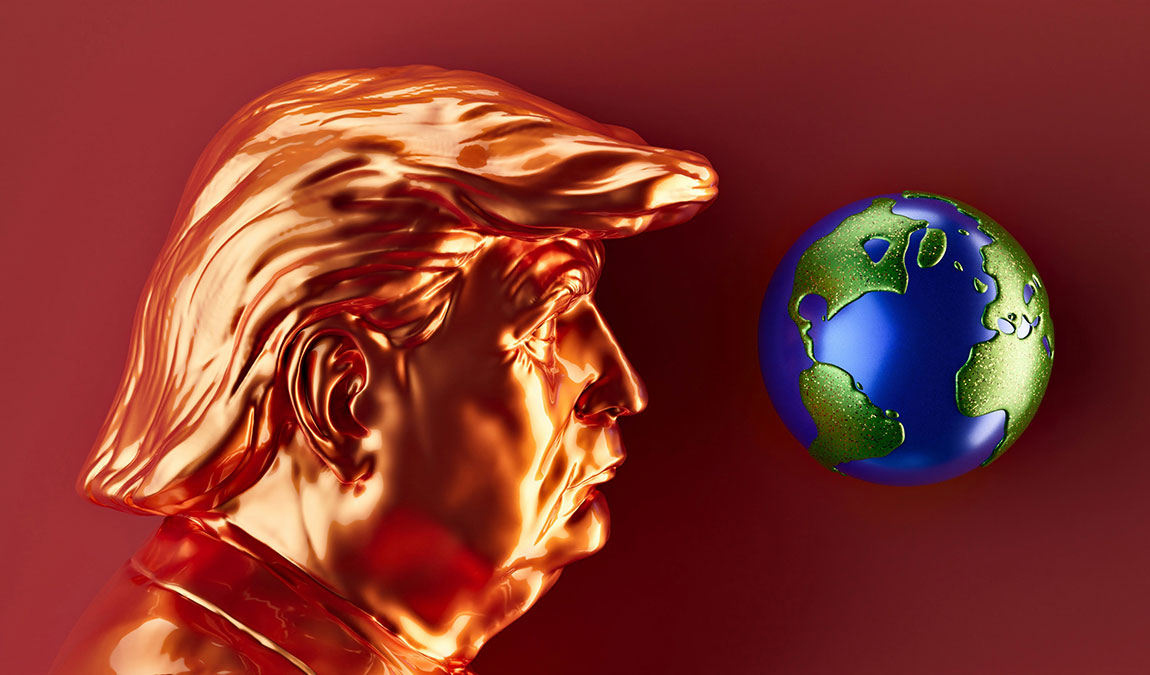
tariff-trump-xi-usa-china-tradewar

  • 1-week tactical rebound: 50–60% if headlines soften and no new restrictions emerge;
  • Another negative week: 35–45% if rhetoric hardens or fresh measures arrive;
  • Start of a prolonged downturn (through year-end): a non-negligible risk, but dependent on a material escalation in tariffs/rare earths and a deterioration in earnings/liquidity.

These percentages are estimates based on historical frequencies and current news flow; they are not “point” forecasts and do not replace due diligence.

Operational suggestions (equities)

  1. Risk management: raise some “tactical” cash and set exposure bands; use trailing stops and position sizing on high-beta names.
  2. Volatility barbell:
    • Growth/AI pole of quality (positive free cash flow, technological moat), favoring those less dependent on China in their supply chain;
    • Defensive pole (large-cap healthcare, regulated utilities/infrastructure, quality dividend) as a drawdown shock absorber.
  3. Policy-sensitive themes:
    • Potential beneficiaries of reshoring and incentives (US semis, automation, defense);
    • At risk if rare earths tighten (EVs and renewables with high exposure to critical inputs).
  4. Geography and FX: diversify into markets with lower elasticity to trade war and consider FX hedges if the USD strengthens.
  5. Tactical execution: if a rebound occurs, trim into resistance; if a new leg down unfolds, stage entries (DCA) at pre-set levels, avoiding binary market timing.

Where to look for opportunities (non-binding ideas)

  • Quality at relative discount: leaders with pricing power and solid balance sheets punished by forced selling;
  • Data/energy infrastructure for AI with indexed contracts and visible cash flows;
  • Selective small/mid caps in niches not directly hit by tariffs/rare earths.

Note: in sector/thematic choices, integrate ESG drivers and regulatory visibility, which become crucial during policy shocks.

Try 4ftinvest: proprietary analysis and optimized robottrading to navigate volatility and capture extra profits with clear rules → https://4ftinvest.com

Disclaimer
This text is for informational purposes only and does not constitute a solicitation to invest or personalized investment advice. Investment decisions should consider an investor’s objectives, time horizon, and risk profile. Past performance is not a guarantee of future results.