The world trading offers a wide range of opportunities, and among them, commodities trading stands out.

Commodities Trading: Gold, Oil, and More
The world of trading offers a vast array of opportunities, and among them, commodities trading stands out. From glittering gold nuggets to your morning cup of fragrant coffee, commodities are the backbone of the global economy and represent an intriguing area for investors. In this article, we’ll explore how to trade gold, oil, gas, precious and industrial metals, and agricultural commodities using instruments like CFDs.
Commodities are physical goods used in the production of other goods or services. They are generally divided into:
Energy: such as crude oil and natural gas
Precious metals: like gold, silver, platinum, and palladium
Industrial metals: such as copper, aluminum, and nickel
Agricultural products: like wheat, coffee, cotton, and cocoa
These assets are traded on global markets, and their prices are influenced by a variety of factors, including supply and demand, geopolitical events, and weather conditions.
Commodities trading offers several advantages:
Diversification: Adding commodities to your portfolio helps reduce overall risk.
Inflation hedge: Commodities often retain their value during inflationary periods.
Global demand: Economic growth in emerging countries increases the demand for raw materials.
Let’s start with the basics. CFD stands for Contract for Difference. It’s a type of derivative financial instrument that allows you to speculate on the price movement of an asset without physically owning it.
In practice, you’re not buying a ton of coffee or a barrel of oil to store in your garage—you’re simply “betting” (for lack of a better term) on whether the price will go up or down.
How does it work?
If you believe the price will rise, you open a long position (buy).
If you think the price will fall, you open a short position (sell).
Simple, right?
You can do this with a wide range of commodities—gold, oil, gas, cocoa, copper—and CFDs also allow you to use leverage, meaning you can multiply your market exposure with a smaller initial investment.
Caution: Leverage can amplify both gains and losses, so it’s best used with a clear head and after your morning coffee.
Now let’s look at what drives prices in each commodity category. Prices are affected by a mix of economics, nature, politics, and a touch of global market unpredictability.
Gold (and Precious Metals)
Factors that drive prices up:
Weak U.S. Dollar: Gold is priced in USD, so when the dollar loses value, gold becomes cheaper for those using other currencies → demand increases → price rises.
High inflation: Gold is considered a “safe haven” asset during inflationary periods.
Geopolitical crises or economic instability: In uncertain times, many investors turn to gold (and its cousins—silver, platinum, and palladium).
Factors that drive prices down:
Strong dollar
Rising real interest rates: Higher yields make holding gold (which doesn’t generate income) less attractive.
Strong stock markets: Investors prefer to take risks in equities rather than “park” funds in metals.
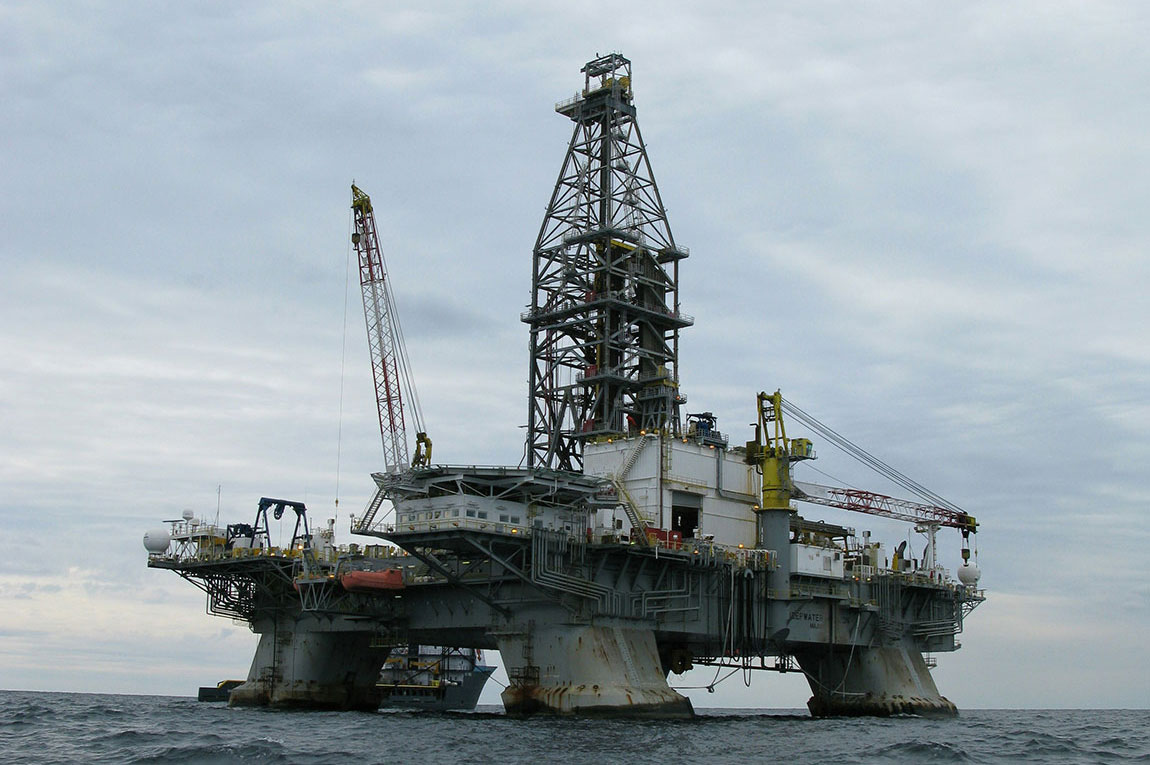
Oil
Oil is like a rock star—everyone watches it, everyone talks about it, and every move makes headlines.
Factors that drive prices up:
High demand: For example, when the global economy grows, energy consumption rises.
Geopolitical tensions: Wars or instability in the Middle East, Iran, Russia… prices spike.
OPEC+ decisions: If they cut production, prices usually rise.
Low U.S. inventory levels (reported weekly).
Factors that drive prices down:
Production increases (e.g., U.S. shale oil or lifting of OPEC restrictions).
Falling demand: Recessions, lockdowns, energy crises.
Strong U.S. dollar: Like gold, oil is priced in USD.
Natural Gas
Natural gas is highly seasonal.
Factors that drive prices up:
Cold winters: Increased heating demand.
Supply disruptions: Wars (e.g., Ukraine), natural disasters, sabotage.
Strong industrial demand
Factors that drive prices down:
Mild temperatures
Abundant inventories
Rising production from alternative sources (renewables, nuclear)
Industrial Metals (Copper, Aluminum, Nickel...)
These are the engines of emerging economies. More construction? More copper!
Factors that drive prices up:
Economic growth (especially in China and India): more infrastructure = more demand.
Mining/Extraction issues: Strikes, natural disasters, environmental regulations.
Demand from tech sectors (e.g., batteries and EVs driving nickel demand)
Factors that drive prices down:
Global recession
Drop in industrial activity
Increased stockpiles in LME warehouses
Agricultural Commodities (Wheat, Corn, Coffee, Cocoa, Cotton...)

Factors That Drive Prices Up:
Extreme weather events: Droughts, floods, hurricanes…
Rising food or industrial demand
Issues in producing countries: Civil wars, embargoes, health crises
Factors That Drive Prices Down:
Good harvests
Agricultural subsidies and regulations
Drop in consumption (e.g., less sugar due to dieting trends, less coffee during pandemics)
Advantages:
You can trade both long and short.
No need to physically purchase or store the commodity.
Access global markets from a single trading platform.
Leverage → trade with a smaller initial capital.
Disadvantages:
Leverage can also amplify losses.
Volatile markets → a solid strategy is essential.
Overtrading risk (be careful not to become compulsive with your smartphone in hand!)
Start with a demo account: Get comfortable with the tools and test your strategies.
Follow global economic and weather calendars.
Diversify: Don’t go all-in on cocoa just because you love chocolate.
Study weekly reports (like EIA, WASDE, COT Report): they’re goldmines of information.
Commodities trading offers multiple opportunities to diversify your portfolio and capitalize on global market fluctuations. With tools like CFDs, you can gain exposure to a wide range of commodities—from oil and precious metals to industrial metals, gas, and agricultural goods. As always, staying well-informed and managing risk wisely is crucial.

© 4FT Invest LTD. All rights reserved
