
The triumph supports confidence, consumption and tourism. For Spanish equities, however, fundamentals, oil and rates matter m
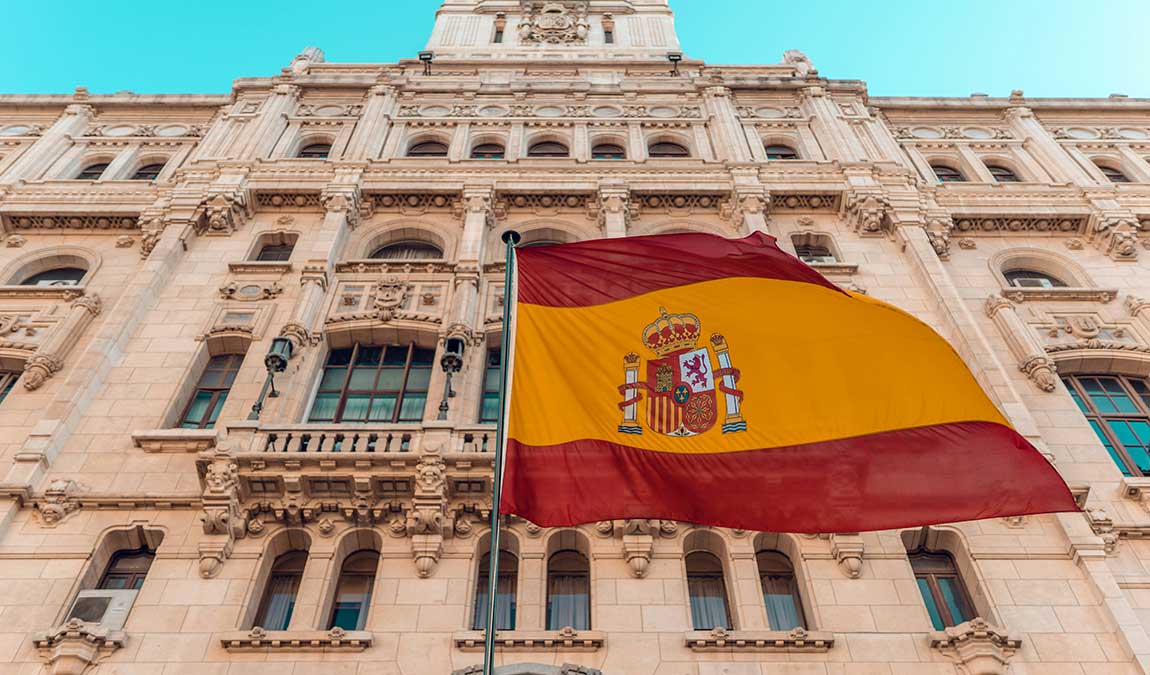
Spain Wins the World Cup, but the Ibex Eyes Earnings
The triumph supports confidence, consumption and tourism. For Spanish equities, however, fundamentals, oil and rates matter most.
Spain are world champions once again. Their 1–0 victory over Argentina, secured by Ferran Torres in extra time in the 19 July final, gives La Roja the second World Cup title in their history, following their 2010 triumph. The victory also completes an exceptional sporting cycle that began with the 2024 European Championship.
For the Spanish economy, however, lifting the trophy does not automatically translate into faster gross domestic product growth. The most likely effect is a combination of stronger confidence, celebratory spending and greater international visibility, accompanied by a temporary loss of working hours. In financial markets, the “World Cup effect” may influence sentiment during the first few trading sessions, but is unlikely to alter the fundamental value of listed companies on its own.
Productivity: First the Cost, Then the Morale Effect
During the tournament, productivity tends to be affected by absences, late arrivals, fatigue and attention being diverted from work. Research conducted ahead of the 2026 World Cup found that 37% of surveyed employees expected to change their working hours; 27% considered it likely that they would arrive late, leave early or miss work, while 14% said they would secretly watch matches or highlights during working hours. The global estimate of $17 billion in potentially lost productivity should be treated with caution, but it accurately indicates the likely direction of the impact during the competition.
For Spain, the fact that the final was played on Sunday evening limits the direct damage compared with a match held during working hours. A decline in productivity on the following day nevertheless remains possible because of the celebrations and reduced concentration.
Over the medium term, an “emotional dividend” may emerge in the form of greater collective confidence, social cohesion and willingness to spend. Economic experiments show that sporting events can affect happiness, risk appetite and consumption decisions. There is not, however, enough robust evidence to convert this improvement in mood into a reliable percentage increase in national productivity.
Spain’s structural productivity problem is considerably broader. The OECD notes that the country has experienced weak productivity growth for decades, linked to the small size of its companies, investment levels, technological adoption and the sectoral composition of its economy. These are factors that a sporting victory cannot correct.
Markets: Football’s Asymmetric Effect
Financial literature points to an interesting finding: national-team defeats are more likely to produce negative returns, whereas victories do not necessarily generate a symmetrical increase. A study covering numerous international markets estimated that a football defeat could reduce the following trading session’s return by approximately 21 basis points, with a stronger impact following knockout matches. The average effect of victories was considerably less evident.
The World Cup triumph may therefore have removed a potential negative shock for the Ibex 35 rather than created a new bullish driver. Optimism can increase trading volumes, risk appetite and purchases by retail investors, but it tends to fade quickly unless supported by earnings and macroeconomic data.
Moreover, the first trading session after the final opens against a backdrop dominated by escalating tensions between the United States and Iran and rising oil prices. Brent crude above $90 a barrel penalises airlines and energy-intensive businesses while supporting oil groups such as Repsol. It is therefore difficult to separate the World Cup effect statistically from the considerably more significant impact of geopolitics.
The Stocks
Aena probably represents the most coherent listed exposure. The victory strengthens Brand Spain and could support travel, sporting events and tourism over time. The group already benefits from favourable fundamentals: traffic at its Spanish airports increased by 3.2% in the first quarter, reaching 65.6 million passengers, while net profit amounted to €329.4 million.
The stock offers exposure to a relatively defensive infrastructure business, although the football-related benefit will be marginal compared with airport charges, investment and overall passenger traffic. Public ownership and regulatory risk must also be considered.
Meliá Hotels International offers the greatest sensitivity to tourism. For 2026, the company expects low-to-mid-single-digit growth in revenue per available room and has reported a positive booking impact for Spain, which is perceived as a safe destination. The visibility generated by the World Cup victory could help promote the country and its cities ahead of the 2030 World Cup, which Spain will host alongside Portugal and Morocco.
It is, however, a more cyclical and leveraged investment. At the end of the first quarter, net debt stood at approximately €2.23 billion. Its return potential is therefore accompanied by greater sensitivity to interest rates, costs and a possible slowdown in travel demand.
Amadeus IT Group offers more diversified exposure to global tourism. First-quarter revenue increased by 3.1%, or 7.9% at constant exchange rates, while adjusted EBIT rose by 6.6%. The stock could benefit indirectly from increased bookings to Spain, but its main growth driver remains the digitalisation of airlines and hotel operators—not the national team’s victory.
IAG, which owns Iberia and Vueling among other airlines, would intuitively appear to be a beneficiary of stronger tourism. In the current environment, however, higher fuel prices and tensions affecting international routes could comfortably outweigh any increase in demand attributable to the World Cup title. It is therefore an opportunistic exposure rather than the most straightforward choice.
Inditex, Telefónica and CaixaBank could experience a temporary increase in payments, data traffic and domestic consumption. The connection with the World Cup is nevertheless too weak to justify an investment on its own. For these groups, international sales, competition, margins, credit quality and interest-rate developments remain much more important.
Finally, Repsol may benefit from higher oil prices, but not from Spain’s sporting success. Including it in a “World Cup portfolio” would confuse two entirely different investment theses.
Tourism Was Already Strong Before the World Cup
The reputational boost arrives at a favourable time. Spain welcomed a record 96.8 million international visitors in 2025. Arrivals increased by a further 5% during the first five months of 2026, while tourist expenditure reached €13.55 billion in May alone—an increase of 10.9%.
This means that Aena, Meliá and Amadeus may be attractive primarily because they operate within an already established trend. The World Cup is a marketing accelerator, not the origin of that trend.
Bonds: No Genuine “World Cup Bond”
The direct impact on Spanish government bonds is essentially negligible. Yields on Bonos and Obligaciones depend on European Central Bank decisions, inflation, issuance requirements, public debt and the spread over German Bunds. A temporary increase in consumption or confidence is insufficient to change Spain’s sovereign creditworthiness.
Medium- and short-term Spanish government bonds could nevertheless play a role in a prudent strategy if the objective is to generate income while limiting duration-related volatility. Ten-year bonds offer greater potential if interest rates decline, but are also more sensitive to inflation and fiscal risk. The Spanish Treasury continues to report robust demand for new benchmark issues, which is positive but unrelated to football.
Among corporate bonds, issues from Aena or Amadeus could provide a more defensive exposure than the respective equities, although with limited participation in any earnings growth. Meliá’s debt carries a higher risk profile. Once again, selection should be based on yield to maturity, credit rating, financial leverage and issue liquidity—not on the trophy.
The Most Rational Strategy
For an investor interested in the theme, the most coherent hierarchy places Aena as the primary exposure, Amadeus as a diversified alternative and Meliá as the more aggressive option. IAG requires greater caution while oil prices and the geopolitical environment remain unstable. Spanish Bonos can serve a defensive purpose, but are not direct beneficiaries of the World Cup victory.
The triumph may give the Ibex a few sessions of enthusiasm and strengthen Spain’s national brand. Turning the celebrations into lasting investment returns, however, will require earnings growth, financial discipline and sustainable valuations. The World Cup improves sentiment; it does not replace fundamental analysis.
Disclaimer: This content is provided for informational purposes only and does not constitute financial advice or an investment solicitation. All investments involve a risk of loss.
© 4FT Invest LTD. All rights reserved
