
Record revenue of $115.8 billion, earnings above expectations and strong guidance. Outlook for the Nasdaq and the AI sector
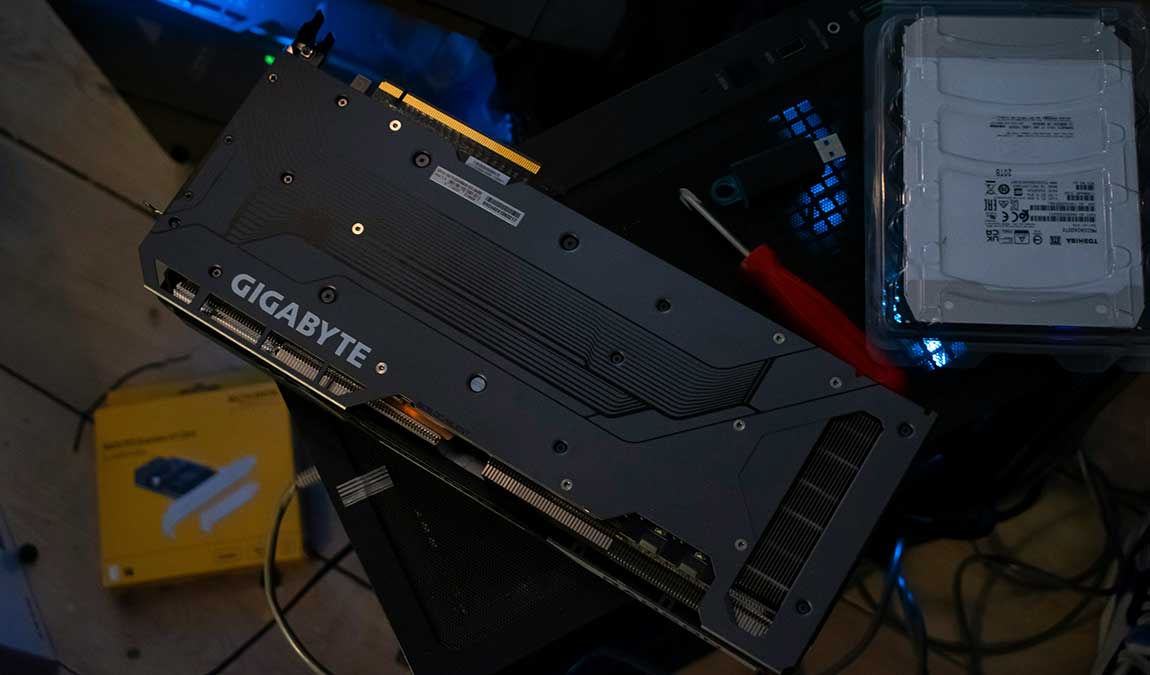
NVIDIA confirms its central role in the artificial intelligence economy. The US semiconductor giant released its third-quarter fiscal 2027 financial results after Wall Street closed on November 17, 2026, exceeding analysts’ expectations and easing concerns about a slowdown in global demand for AI infrastructure.
The company reported record revenue of $115.8 billion, up 103% year-over-year, accompanied by a significant increase in profitability.
The results confirm strong semiconductor demand despite recent financial market tensions and growing concerns about the sustainability of artificial intelligence investments.
|
Indicator |
Q3 FY2027 |
YoY Change |
|---|---|---|
|
Revenue |
$115.8 billion |
+103% |
|
GAAP Net Income |
$65.3 billion |
+105% |
|
Adjusted Earnings per Share |
$2.68 |
+111% |
|
Data Center Revenue |
$107.6 billion |
+110% |
|
Adjusted Gross Margin |
74.9% |
+1.4 percentage points |
|
Indicator |
Actual |
Expected |
|---|---|---|
|
Revenue |
$115.8 billion |
$109.11 billion |
|
Adjusted EPS |
$2.68 |
$2.47 |
|
Adjusted Gross Margin |
74.9% |
74.1% |
|
Q4 Revenue Guidance |
$130 billion |
$125.25 billion |
Revenue and earnings growth exceeding market expectations highlights NVIDIA’s ability to benefit from expanding global technology investments while maintaining high levels of profitability.
|
Period |
Revenue |
GAAP Net Income |
|---|---|---|
|
Q3 FY2026 |
$57.0 billion |
$31.9 billion |
|
Q2 FY2027 |
$96.2 billion |
$59.7 billion |
|
Q3 FY2027 |
$115.8 billion |
$65.3 billion |
|
Q4 FY2027 (Forecast) |
$130.0 billion |
N/A |
Sources: NVIDIA Investor Relations, Reuters/LSEG, Investing.com.
The Data Center segment remains NVIDIA’s primary growth engine, accounting for approximately 93% of total revenue.
Investments in cloud infrastructure, advanced computing systems and generative artificial intelligence models are driving a structural transformation across the technology industry.
Particularly significant is the start of deliveries of the new Vera Rubin platform, which is expected to gradually succeed the Blackwell architecture. Companies involved in its deployment include Microsoft, Google Cloud, Oracle and CoreWeave.
NVIDIA’s competitive advantage extends beyond the performance of its processors. Its ecosystem of proprietary software, infrastructure and technologies, developed over the years, represents a significant barrier to entry for competitors.
For the fourth quarter of fiscal 2027, NVIDIA expects revenue of $130 billion, plus or minus 3%.
During the earnings conference call, management also indicated expected revenue growth of 75% for the full fiscal year 2028.
A significant factor is the exclusion of revenue from Data Center processor sales in China from the company’s guidance.
However, several challenges remain. Gross margins for the next quarter are expected to range between 71% and 72%, declining from current profitability levels.
Rising memory costs and the transition to a new generation of processors could put pressure on the company’s margins. It is also worth noting that the next fiscal quarter will include an additional week.
The earnings report is particularly significant as it represents the company’s first financial results announcement following Jensen Huang’s resignation, officially announced on November 12, 2026.
Colette Kress, the company’s Chief Financial Officer, has temporarily assumed leadership, while the Board of Directors searches for a permanent successor.
The leadership transition introduces an additional element of uncertainty for investors, who must assess the company’s ability to maintain strategic continuity, technological innovation and operational resilience in the absence of its founder.
The release of NVIDIA’s quarterly results supported a recovery in its share price, with the stock gaining approximately 4% in after-hours trading.
US stock index futures also reacted positively, with Nasdaq 100 futures rising 1.6% as of 11:52 p.m. GMT on November 17.
Given NVIDIA’s significant weighting in major US equity indices, its strong financial results could support the broader technology sector and help restore investor confidence.
Over the medium term, however, the performance of NVIDIA stock and the Nasdaq will be influenced by five key factors:
The sustainability of global investments in artificial intelligence.
Equity valuations of major technology companies.
Competitive pressure from AMD and proprietary chip manufacturers.
Trade restrictions between the United States and China.
Federal Reserve monetary policy and the cost of capital.
Despite strong revenue and earnings growth, the artificial intelligence sector remains exposed to multiple risk factors.
Elevated equity valuations, revenue concentration within the Data Center segment, geopolitical tensions and increasing competition could affect the company’s future performance.
At the same time, the widespread adoption of artificial intelligence across manufacturing, financial services, scientific research and digital infrastructure offers significant long-term growth opportunities.
NVIDIA’s ability to maintain its technological leadership, diversify its revenue streams and preserve profitability will be crucial to meeting investor expectations.
NVIDIA’s quarterly results confirm that demand for artificial intelligence infrastructure remains one of the primary catalysts for global technology growth.
The central question for financial markets is no longer simply about the potential of artificial intelligence, but rather the economic sustainability of the investments required for its development.
While NVIDIA’s revenue growth demonstrates the strength of demand, it remains to be seen whether companies investing in AI can successfully translate infrastructure spending into sustainable profits.
Ultimately, the balance between growth, profitability and market valuations will determine the sustainability of the technology rally in the coming months.
Sources: NVIDIA Investor Relations, NVIDIA Newsroom, Reuters, LSEG, Investing.com.
Disclaimer: This article is provided for informational and educational purposes only and does not constitute financial advice, an investment recommendation or a solicitation to buy or sell financial instruments. Past performance is not indicative of future results. All investments involve risk, including the potential loss of invested capital.

© 4FT Invest LTD. All rights reserved
