
Il calo petrolio riaccende l’appetito per il rischio, mentre gli algoritmi di 4FT Invest operano durante la sessione asiatica
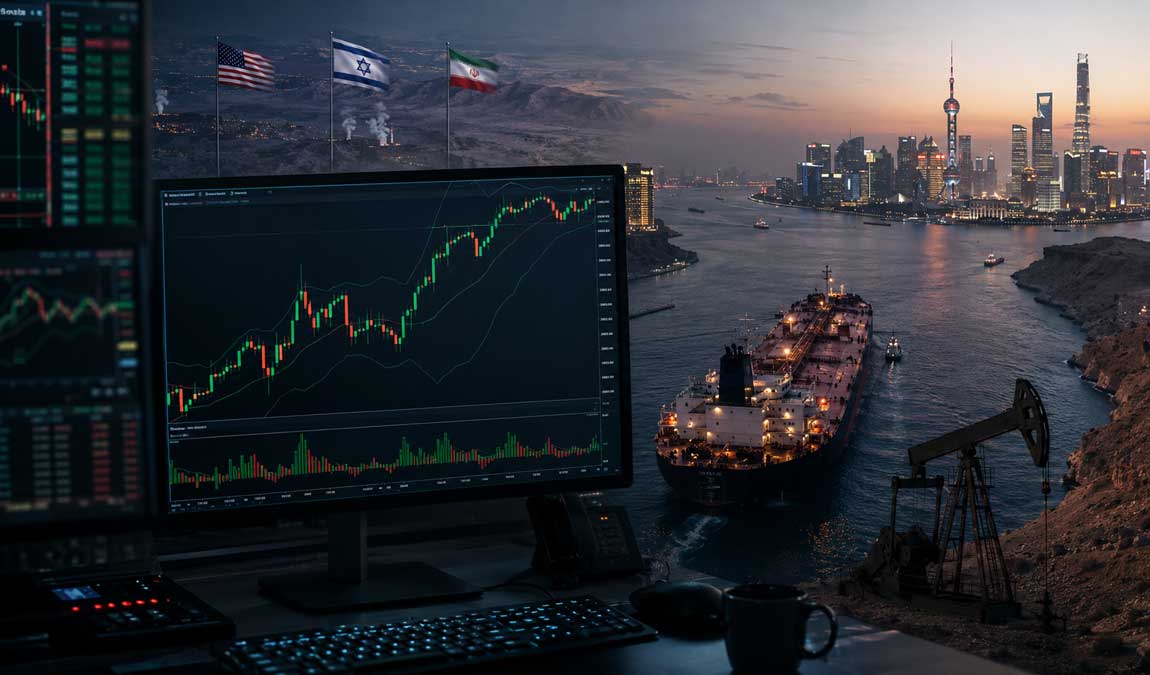
Il 25 maggio 2026 si apre con un mercato globale ancora dominato dalla situazione mediorientale. Le ultime indicazioni dagli Stati Uniti segnalano un negoziato con l’Iran ancora fragile, ma non privo di progressi: il Segretario di Stato Marco Rubio ha dichiarato che Washington punta a un “buon accordo” con Teheran, pur lasciando aperta la possibilità di “un’altra strada” in caso di fallimento della diplomazia. Il dossier resta centrato su tre elementi chiave: riapertura dello Stretto di Hormuz, programma nucleare iraniano e rimozione o alleggerimento delle pressioni sul traffico energetico regionale.
Il mercato, almeno nelle prime ore della giornata, ha scelto di leggere il bicchiere mezzo pieno. La prospettiva di una possibile riapertura più stabile di Hormuz ha spinto al ribasso il petrolio: Reuters ha segnalato il Brent in calo di oltre il 5%, sotto area 100 dollari al barile, e il WTI in discesa verso area 91 dollari. La reazione è stata immediata: dollaro più debole, valute cicliche in recupero e maggiore propensione al rischio sugli asset azionari.
In Asia, la sessione del 25 maggio ha confermato il ritorno del risk appetite. Secondo i dati Reuters/LSEG, il Nikkei 225 ha registrato un progresso vicino al 3%, superando area 65.000 punti; l’Hang Seng è risultato in rialzo dello 0,86%, lo Shanghai Composite dello 0,66% e l’S&P/ASX All Ordinaries dello 0,43%. L’India ha partecipato al movimento positivo, con il Sensex in rialzo e il Nifty sostenuto dal calo del greggio, fattore particolarmente rilevante per un’economia importatrice netta di energia.
Per l’Europa, il quadro di apertura appare costruttivo ma non privo di cautela. Il calo del petrolio può alleggerire le pressioni inflazionistiche e sostenere settori come viaggi, trasporti, industria e consumi; al tempo stesso, l’incertezza negoziale tra Stati Uniti e Iran suggerisce prudenza su energia, difesa e comparti più esposti alla volatilità geopolitica. La liquidità potrebbe risultare inferiore alla norma: la Borsa di Londra è chiusa per lo Spring Bank Holiday, mentre Euronext e Xetra restano operative nella giornata del 25 maggio.
La sessione europea, quindi, dovrebbe muoversi lungo due direttrici: da un lato il supporto del sentiment asiatico e del petrolio in correzione; dall’altro la consapevolezza che un accordo definitivo non è ancora stato raggiunto. In questo contesto, gli investitori guarderanno soprattutto alla tenuta dei futures europei, al comportamento dell’euro, ai rendimenti obbligazionari e alle eventuali nuove dichiarazioni da Washington, Teheran o Tel Aviv.
Oggi il mercato statunitense resterà chiuso. Il New York Stock Exchange e il Nasdaq non sono operativi lunedì 25 maggio 2026 per il Memorial Day, festività federale statunitense dedicata alla memoria dei militari americani caduti in servizio. Le contrattazioni ordinarie riprenderanno martedì.
In assenza di Wall Street, la price action globale potrebbe essere meno liquida ma non meno significativa. Proprio nelle giornate con volumi ridotti, le reazioni algoritmiche ai flussi di notizie possono diventare particolarmente rilevanti: spread, volatilità intraday e velocità di esecuzione tendono ad assumere un ruolo centrale.
È in questo scenario che si inserisce l’operatività realizzata questa notte dagli algoritmi avanzati di 4FT Invest Ltd su MT4, sul NAS100 timeframe M30. Durante la sessione asiatica, senza alcun intervento manuale, l’algoritmo ha aperto tre operazioni long in sequenza. Le prime due hanno intercettato correttamente l’accelerazione rialzista dell’indice, chiudendosi in profitto. La terza, aperta nella fase finale del movimento, è stata gestita con criteri avanzati di controllo del rischio e si è chiusa in leggera perdita.
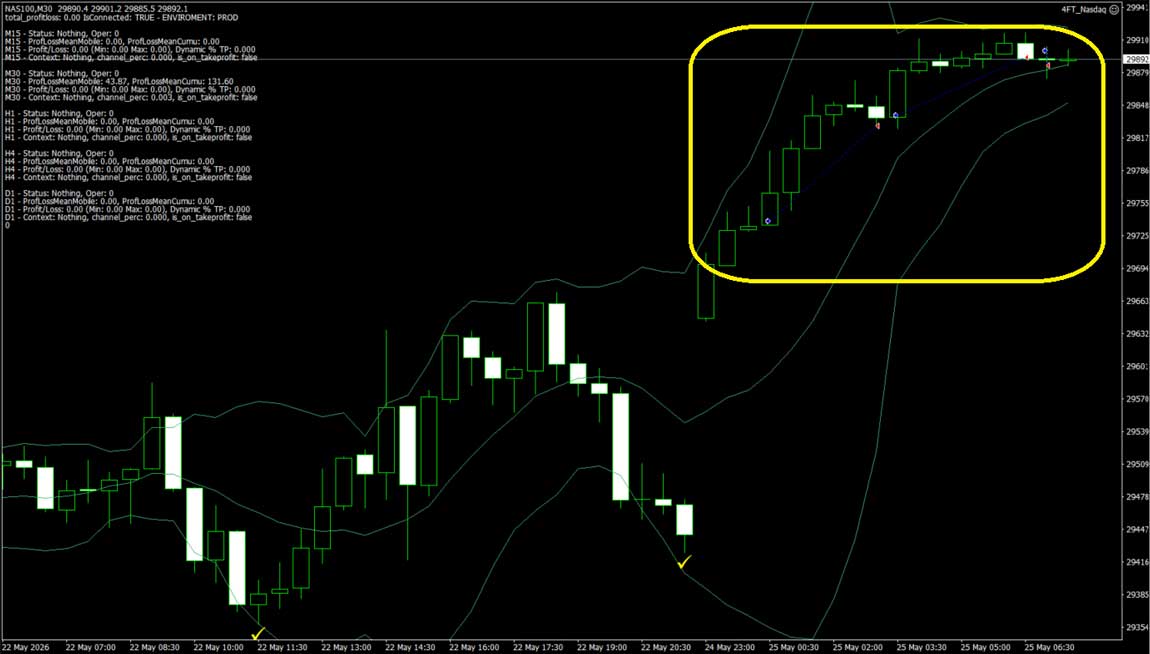
Il dato più importante non è soltanto la direzione del trade, ma la qualità del processo. L’algoritmo ha operato in autonomia in una fascia oraria complessa, leggendo il momentum del NAS100 in un contesto condizionato da geopolitica, petrolio, dollaro e sentiment asiatico. La gestione della terza operazione dimostra un principio essenziale del trading quantitativo: non ogni ingresso deve necessariamente generare profitto, ma ogni esposizione deve essere controllata.
I vantaggi del trading algoritmico emergono proprio in giornate come questa: operatività continua anche nelle ore notturne, assenza di emotività, disciplina nell’esecuzione, lettura simultanea di più timeframe, gestione sistematica del rischio e capacità di reagire rapidamente a variazioni di volatilità e trend. In un mercato globale che non dorme mai, la differenza non è soltanto “prevedere” il movimento, ma disporre di strumenti capaci di monitorarlo, eseguirlo e gestirlo con metodo.
La sessione del 25 maggio conferma quindi una dinamica sempre più evidente: geopolitica, energia, mercati azionari e tecnologia finanziaria sono ormai parte dello stesso ecosistema decisionale. In questo contesto, l’operatività automatizzata di 4FT Invest Ltd rappresenta un esempio concreto di come algoritmi avanzati possano trasformare volatilità e complessità in un processo operativo strutturato.
Nota: contenuto a fini informativi. Non costituisce consulenza finanziaria, sollecitazione all’investimento o garanzia di performance future. Il trading comporta rischi.
© 4FT Invest LTD. All rights reserved
