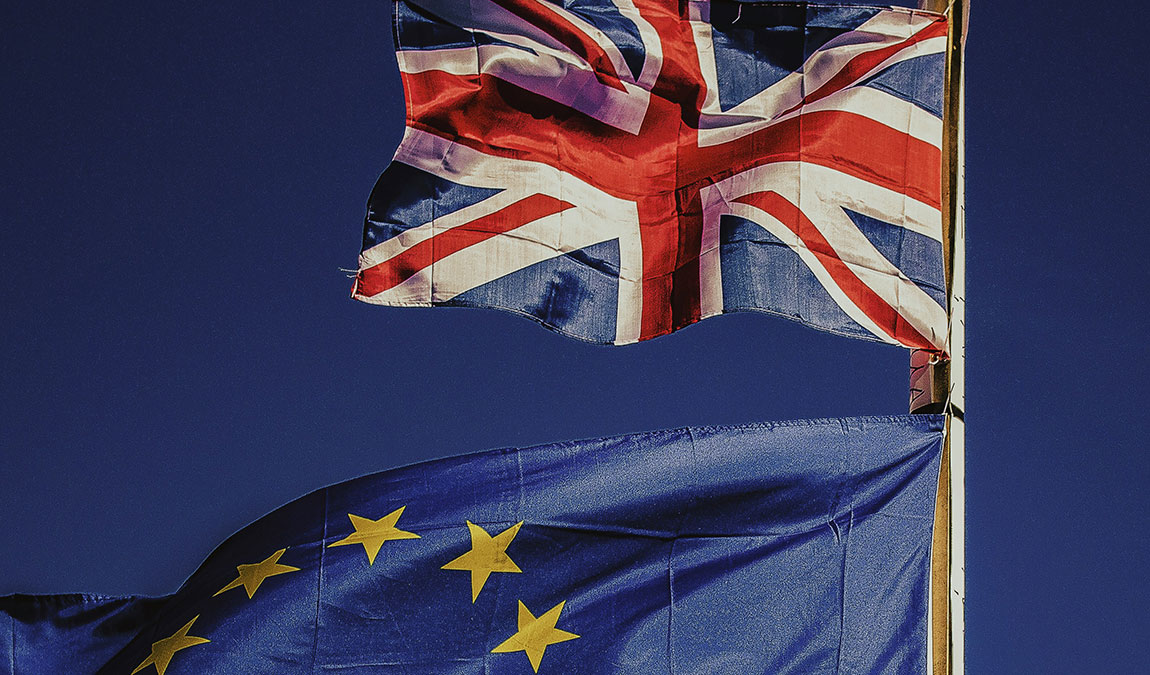
PIL UE e Regno Unito
Quali effetti sul cambio EURGBP (dati al 14 agosto 2025 e outlook)
Forex
14/08/2025
4FT News
PIL UE e Regno Unito
Quali effetti sul cambio EURGBP (dati al 14 agosto 2025 e outlook)
L’analisi dell’andamento del Prodotto Interno Lordo (PIL) della zona euro (Eurozona), dell’Unione Europea (UE) e del Regno Unito (UK), aggiornati al 14 agosto 2025, offre spunti interessanti anche per valutare le possibili evoluzioni del tasso di cambio euro/sterlina (EUR/GBP), considerando le proiezioni macroeconomiche dei prossimi anni.
Dati ufficiali aggiornati al 14 agosto 2025
- Regno Unito (UK):
- Il PIL reale del secondo trimestre del 2025 è cresciuto dello 0,3% rispetto al trimestre precedente, superando le attese dello 0,1%.
- Il progresso annuo, rispetto allo stesso trimestre del 2024, è stato dell’1,2%, anche questo oltre la previsione dell’1,0%.
- Eurozona:
- Le ultime proiezioni della Commissione Europea indicano una crescita del PIL reale pari allo 0,9% per il 2025 (previsto in calo rispetto all’1,3% stimato in autunno), con un recupero al 1,4% nel 2026.

Previsioni future 2025–2026
Eurozona / UE
- Commissione Europea: crescita del 0,9% per il 2025, in aumento al 1,4% nel 2026.
- OECD (Organizzazione per la Cooperazione e lo Sviluppo Economico): espansione del 1,0% nel 2025 e 1,2% nel 2026.
- Conferenza delle Nazioni (Conference Board) afferma una crescita del 0,9% nel 2025, in accelerazione a 1,3% nel 2026.
Regno Unito (UK)
- Fondo Monetario Internazionale (IMF): prevede una crescita del 1,2% nel 2025 e del 1,4% nel 2026.
- Office for Budget Responsibility (OBR): stima più prudente, con 1,0% nel 2025 e 1,9% nel 2026.
- National Institute of Economic and Social Research (NIESR): previsioni centrate su 1,2% per il 2025 e 1,5% per il 2026.
- Scenari peggiorativi (tariffe dazi USA): EY Item Club stima un PIL del 0,8% per il 2025 e del 0,9% per il 2026, sotto le previsioni più ottimistiche.
- IMF – impatto tariffe: avverte che le tariffe Trump potrebbero ridurre il PIL britannico di circa 0,3 punti percentuali entro il 2026.
Sintesi comparativa: prospettive di crescita
|
Area geografica
|
2025 (crescita PIL prevista)
|
2026 (prevista)
|
Note principali
|
|
Eurozona / UE
|
0,9–1,0 %
|
1,2–1,4 %
|
Solo modesto recupero, influenzato dalle tensioni commerciali.
|
|
Regno Unito (UK)
|
0,8–1,2 %
|
1,4–1,9 %
|
Outlook più variegato, da moderato a positivo.
|
Implicazioni sul cambio EUR/GBP

- La crescita più robusta prevista per il Regno Unito rispetto all’Eurozona nel biennio 2025‑2026 tende a sostenere la sterlina rispetto all’euro, soprattutto se i fondamentali macro (inflazione, politica monetaria) si confermeranno più favorevoli.
- Il BoE (Bank of England) appare riluttante ad abbassare ulteriormente i tassi: alcuni economisti prevedono un primo taglio solo a partire dal 2026, in contesti di alta inflazione (circa 3,6% a metà 2025), che potrebbe prolungare il supporto alla sterlina.
- Nel frattempo, la BCE (Banca Centrale Europea) dovrebbe mantenere i tassi stabili fino a dicembre 2025, con una potenziale riduzione in seguito — questo differenziale di politica monetaria rafforza ulteriormente la valuta britannica.
Previsioni sul cambio EUR/GBP:
- Se la crescita UK si confermerà su livelli superiori, la sterlina potrebbe continuare a rafforzarsi verso l’euro, rendendo una sterlina più forte nel medio termine la tendenza più probabile.
- In scenari di rallentamento (es. tariffe USA più aggressive), l’Eurozona potrebbe risultare relativamente meno colpita, attenuando il calo dell’euro nei confronti della sterlina.
- Il differenziale di politiche monetarie (BoE lateriva, BCE cauta) suggerisce pressioni ulteriori a favore della sterlina, soprattutto in assenza di segnali di debolezza macro britannica.
In sintesi
L’ultimo aggiornamento sui dati al 14 agosto 2025 evidenzia una dinamica relativa favorevole al Regno Unito, con una crescita nel Q2 superiore alle attese (0,3 %) e una maggiore variazione annua (1,2 %). Le previsioni 2025–2026 suggeriscono un trend leggermente migliore per il UK rispetto all’Eurozona, che si traduce in potenziale rafforzamento della sterlina rispetto all’euro. Tuttavia, permangono rischi, soprattutto legati al protezionismo commerciale USA e alle incognite sull’inflazione persistente. In un contesto di differenziali di tassi di interesse stabilmente a favore del Regno Unito, la sterlina rimane ben posizionata per reggere o superare l’euro nel breve-medio termine.