Il cambio EUR/USD corregge dopo un'estensione di 8 sedute rialziste.
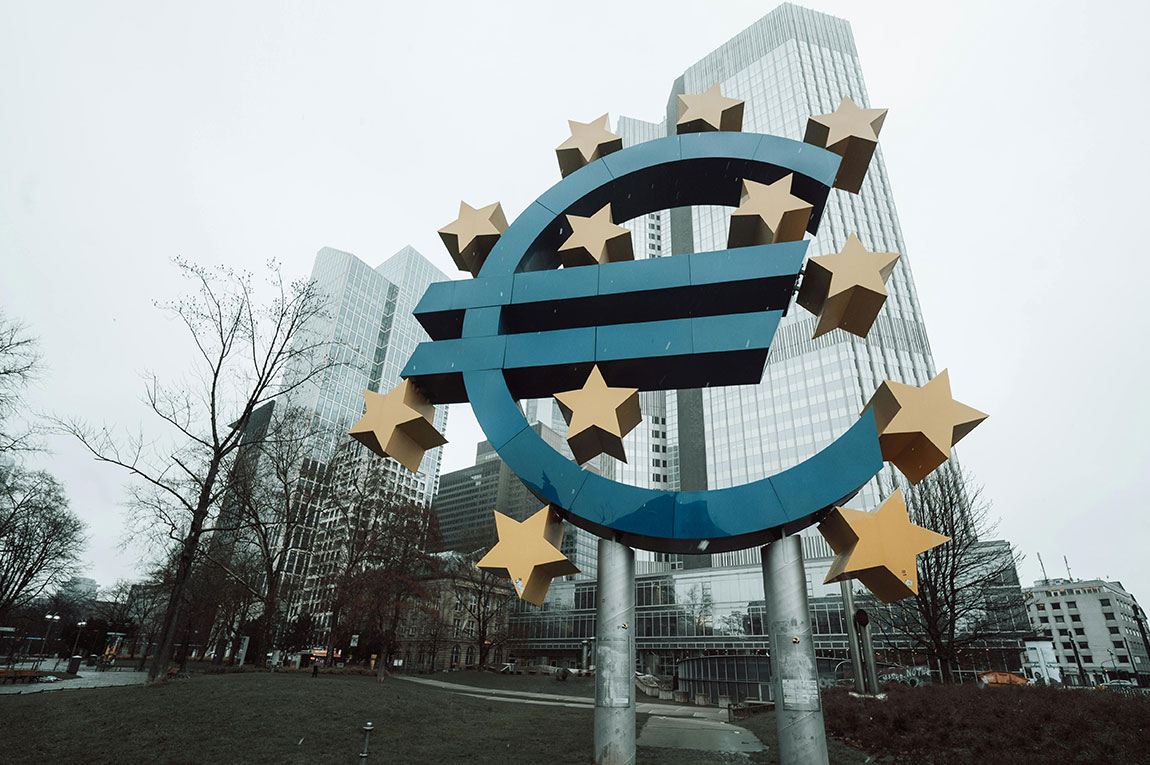
EUR/USD: l’euro ritraccia dopo il rally, tra incertezza Fed-BCE, nuovi dazi USA e rischio geopolitico
Il cambio EUR/USD corregge dopo un'estensione di 8 sedute rialziste. I mercati valutano gli effetti delle prossime mosse di Fed e BCE, mentre le tensioni commerciali e geopolitiche alimentano la volatilità.
L’EUR/USD ha registrato dal 1 luglio scorso, una flessione dopo otto sedute consecutive al rialzo, durante le quali aveva toccato la banda superiore di Bollinger sul grafico daily. Il cambio ritraccia in area sotto 1.1700, con l’RSI giornaliero che scivola verso 54, confermando una perdita di momentum. A livello tecnico, il segnale è coerente con un consolidamento dopo un movimento eccessivamente esteso, ma sono soprattutto i driver macroeconomici a influenzare la fase attuale del mercato.
Il primo elemento chiave resta la Federal Reserve. Dopo i verbali del FOMC di giugno, il mercato ha letto un chiaro segnale di attesa: i tassi restano invariati al 4,50%, ma i membri più “dovish” iniziano a considerare tagli già da settembre, a fronte di dati economici in rallentamento. Tuttavia, la posizione della Fed si è complicata a causa dell’aggressiva politica commerciale della nuova amministrazione Trump, che ha avviato una nuova ondata di dazi su tutti i fronti. Questi interventi rischiano di alimentare pressioni inflazionistiche di tipo esogeno, rendendo difficile per la Fed intraprendere un allentamento deciso senza perdere credibilità sulla stabilità dei prezzi. Questo scenario ha prodotto un dollaro instabile, in assenza di una direzione politica monetaria netta.
In parallelo, la BCE ha già avviato un percorso moderatamente espansivo, tagliando a giugno i tassi di 25 punti base (tasso sui depositi ora al 2,00%), e pur mantenendo un tono accomodante, la banca centrale sembra pronta a una pausa a luglio, in attesa di ulteriori dati sull’inflazione core. Gli ultimi rilevamenti vedono i prezzi al consumo in rallentamento verso il target del 2%, ma la BCE è consapevole che un euro troppo forte – come accaduto nelle ultime settimane – potrebbe danneggiare la competitività delle esportazioni dell’Eurozona. Un eccessivo rafforzamento del cambio avrebbe effetti deflattivi proprio nel momento in cui Francoforte cerca un equilibrio tra sostegno alla crescita e stabilità dei prezzi.
Nel frattempo, la Cina sta cercando di mantenere una posizione di equilibrio. I dati sulle esportazioni di giugno sono risultati positivi (+5%), ma il governo cinese continua a mantenere uno stretto controllo sullo yuan, per preservare la competitività. I mercati valutano con attenzione il ruolo crescente della Cina nei negoziati globali, in particolare nella mediazione di tensioni tra blocchi commerciali e nell’adesione a politiche di dedollarizzazione in ambito BRICS.
Il quadro è aggravato da una serie di rischi geopolitici persistenti: la guerra in Ucraina, il conflitto in Medio Oriente e le tensioni latenti nel Pacifico con Taiwan continuano a generare ondate di risk-off. Tuttavia, a differenza del passato, non è il dollaro il rifugio esclusivo, poiché l'incertezza sulla politica economica USA ha eroso parte del suo status di "safe haven", lasciando spazio a flussi misti su euro, franco svizzero, oro e crypto.
Dal punto di vista operativo, il cambio EUR/USD trova attualmente supporto in area 1.1670–1.1685, mentre la resistenza più rilevante si conferma in area 1.1750–1.1770. Un break deciso sotto i 1.1650 aprirebbe spazio a un pullback più profondo, mentre un ritorno sopra 1.1770 rilancerebbe lo scenario di prosecuzione rialzista verso 1.18–1.20.
In sintesi, il movimento odierno dell’euro riflette non solo una normale correzione tecnica dopo un rally prolungato, ma anche l’incertezza crescente su tassi, inflazione e stabilità globale. Gli investitori restano in attesa di chiarimenti dalla riunione BCE del 24 luglio e dalle prossime dichiarazioni della Federal Reserve, mentre osservano con attenzione la scadenza dei nuovi dazi fissata al 1° agosto e l’evoluzione delle crisi internazionali.
© 4FT Invest LTD. All rights reserved
