
Dai dati sul lavoro USA all’oro, fino alla logica di trading dinamica basata su trend, esaurimento e raddoppio di volume.

Mercati, Fed e inversioni operative
Dai dati sul lavoro USA all’oro, fino alla logica di trading dinamica basata su trend, esaurimento e raddoppio di volume.
Da inizio dicembre i mercati azionari si stanno muovendo in un contesto sospeso tra attese sulla FED, dati lavoro resilienti, timore di recessione e corsa ai beni rifugio, in primis l’oro.
Quadro generale dei mercati da inizio dicembre
Azioni e attese sulla FED
All’inizio di dicembre gli indici globali si muovono in modo relativamente costruttivo ma con una componente di cautela: la narrativa dominante è quella di una FED vicina a un nuovo taglio dei tassi a dicembre, dopo il ciclo restrittivo 2022–2023 e i primi segnali di rallentamento macro.
Secondo i future sui Fed Funds (CME FedWatch), il mercato prezza una probabilità intorno all’85–87% di un taglio di 25 bps al meeting di dicembre, con la percezione diffusa che il tasso terminale sia stato raggiunto e si stia entrando in una fase di inizio ciclo di allentamento nel 2026.
La volatilità implicita sugli indici resta relativamente contenuta ma la struttura delle opzioni mostra una certa ricerca di protezione (acquisto di put più lunghe scadenze, leggera inclinazione della curva di volatilità) in vista della riunione FED.
Dati macro USA: lavoro forte, ma segnali misti
Jobless claims e forza del mercato del lavoro

Sul fronte lavoro, i dati di inizio dicembre mostrano un quadro ancora sorprendentemente resiliente:
Parallelamente, guardando ai dati di disoccupazione ufficiale, il tasso è risalito in area 4,3–4,4% tra giugno e settembre 2025, quindi ancora storicamente basso ma in graduale aumento rispetto ai minimi post-pandemia. (FRED)
A complicare il quadro, arrivano segnali più deboli da altre componenti del mercato del lavoro:
In sintesi:
claims molto basse = mercato lavoro ancora forte,
ma disoccupazione leggermente in salita + payroll privati deboli = raffreddamento in corso.
Rischio recessione e ruolo dell’oro
La combinazione di:
mantiene sullo sfondo lo scenario di recessione “morbida” (soft landing) o ritardata, che i mercati faticano a prezzare in modo definitivo.
In questo contesto, l’oro è tornato protagonista:
Non a caso diversi report iniziano a parlare di potenziale eccesso di ottimismo sull’oro, con scenari che vanno da consolidamento a possibili correzioni del 5–20% nel 2026 se lo scenario macro dovesse normalizzarsi.
Per l’operatività sistematica questo significa:
Ed è esattamente il tipo di contesto in cui ha senso un approccio dinamico di inversione con adattamento al contesto, come quello di 4FT Invest.
Dalla macro all’operatività: logica di inversione dinamica
In un mercato dove:
una semplice logica di copertura statica (hedging passivo) rischia di essere insufficiente.
La strategia di 4FT Invest punta invece a una gestione attiva della direzione netta, con:
Vediamola nel dettaglio.
Struttura dell’operatività
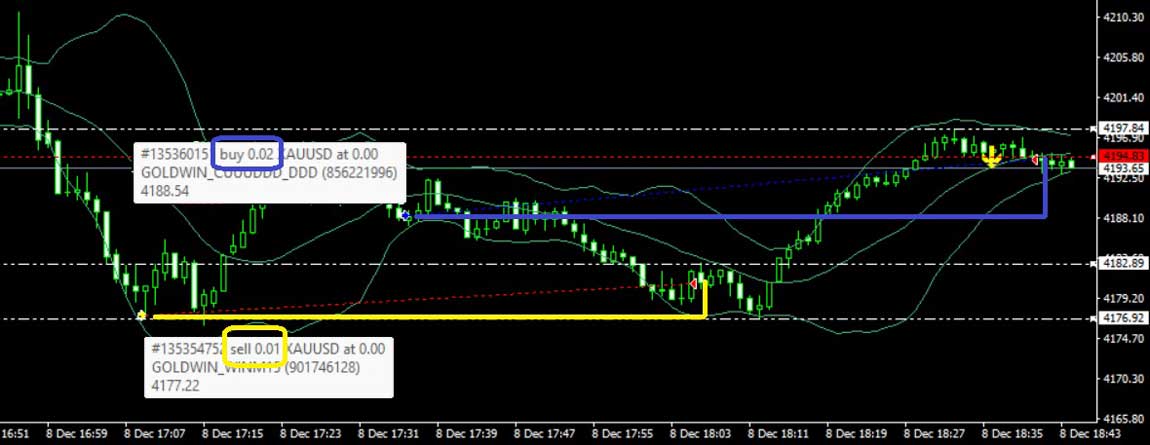
Fase 1 – Trend discendente → apertura SHORT
In presenza di un mercato chiaramente ribassista (es. equity in correzione su timori di FED più aggressiva o dati macro deboli), la strategia:
Fase 2 – Cambio di contesto → LONG a volume doppio
Quando il prezzo raggiunge un’area che combina:
la strategia non chiude subito lo short, ma:
ottenendo così:
Logica del raddoppio del volume
Il raddoppio della size non è una semplice “copertura” dello short iniziale. Serve a:
Effetto pratico:
grazie al volume maggiore sulla seconda gamba, anche un movimento favorevole più corto rispetto al precedente movimento contro:
Se poi l’algoritmo di gestione riesce anche a ottimizzare l’uscita:
il risultato è un miglioramento strutturale del P/L del ciclo operativo.
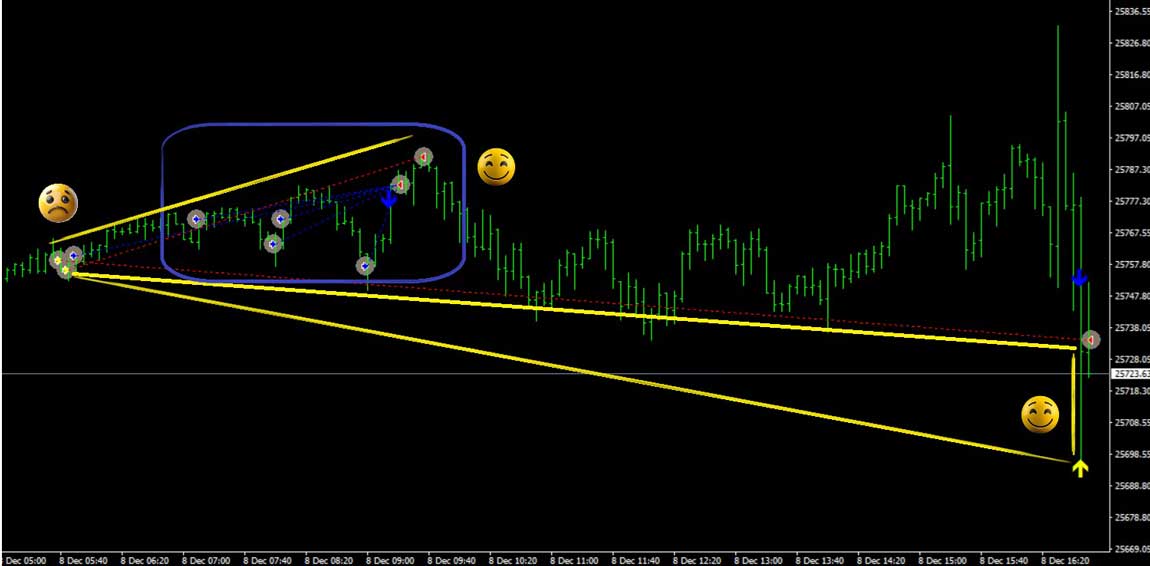
Il ciclo operativo (schema replicabile)
La strategia può essere riassunta in tre passaggi chiave:
1️ Trend → ingresso
2️ Cambio struttura → inversione a volume maggiore
3️ Nuova fase direzionale → gestione profitti/perdite
In altre parole:
Non è hedging statico.
È una strategia di inseguimento + inversione aggressiva sul cambio di contesto.
Il volume doppio non “difende e basta”:
spinge nella nuova direzione, trasformando il cambio di regime macro (come quelli indotti oggi dalle aspettative sulla FED, dal mercato del lavoro e dalla corsa all’oro) in un’occasione operativa, anziché in un semplice rischio da coprire.
Nota finale: quanto descritto ha finalità puramente informative e didattiche e non costituisce consulenza o sollecitazione all’investimento.

© 4FT Invest LTD. All rights reserved
